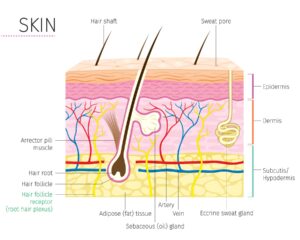
There’s a new acne system in town, according to the December 2007 issue of Health magazine. Called the PPx (Photo-pneumatic) Pore-Cleansing System, PPx has been approved by the U.S. Food and Drug Administration in 2007 for treating stubborn acne.
How effective is PPx against acne?
PPx was originally developed for the removal of hair. However, one small study at Johns Hopkins University amongst 15 patients with mild to moderate acne demonstrated that PPx treatment resulted a 65 percent improvement in patients with inflammatory acne and a 70 to 80 percent improvement in patients with comedones (i.e., whiteheads or blackheads).
According to additional reports from Porcaro Surgical, 64% of “non-responders” to oral medications (like Accutane), topicals and lasers had over 75% clearance in acne symptoms. Overall, Porcaro Surgical reports that about 85% of patients respond to treatment; however, this based on a relatively small sample size.
How does the treatment work?

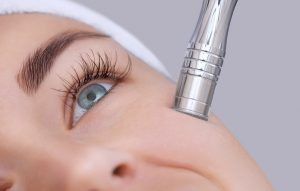
(Photo courtesy Porcaro Surgical). To clarify, PPx uses a gentle vacuum to remove excess oil. According to Drummartin Clinic, a “pulling up” motion gently lifts a small amount of the treatment area into a specially designed hygienic treatment tip. Targets (which include acne, unwanted hair, unwanted pigments and unsightly veins) are lifted and brought closer to the skin’s surface.
Next, a laser is used to dissolve away any remaining impurities in the skin. The light is converted efficiently to a form of gentle heat energy that is absorbed by the target to destroy it (i.e., acne, unwanted hair, unwanted pigments and unsightly veins). It is noteworthy that the PPx laser is more energy efficient than other lasers, so less energy affects the surrounding area than with other methods, to the extent that cooling gels are not needed after treatment, according to the Drummartin Clinic.

(Picture: Drummartin Clinic.) After, skin is then instantly returned to its normal position. The process is repeated until the entire treatment area is covered.
How much is treatment?
According to Health, treatments are $300 each, and five to six sessions (plus follow ups!) are needed.
Is it really painless?
According to the Aesthera company brochure for PPx, 100 percent of eleven patients reported no pain from the procedure. Again, this is a small study, but promising.
For whom is this treatment recommended?
PPx has been approved for the treatment of different types of acne, including pustular, comendonal, and acne vulgaris. PPx is not recommended for people with darker skin tones, according to Health.
How effective is PPx compared to Accutane or other forms of isotretinoin?
Although Accutane (oral isotretinoin, which is also sold as prescription Amnesteem, Sotret, and Claravis) is still considered to be the gold standard in curing acne, it is not for everyone. Accutane has been associated with negative side effects, ranging from minor (chapped lips) to severe (rare but serious reports of suicidal thoughts, as well as the link to severe birth defects). In addition, Accutane is not effective for everyone. According to Jeffrey Dover, associate clinical professor of dermatology at Yale University School of Medicine in the December 2007 issue of Allure, “[Accutane] is a treatment that permanently cures 60 percent of people with severe acne.”
So what is the other 40 percent to do? Based on reports from Porcaro Surgical, 64% of “non-responders” to oral medications (like Accutane), topicals and lasers had over 75% clearance in acne symptoms.
So, based on current research, is this a viable cure for acne?
Based on current research, PPx looks like a novel treatment for patients with acne, especially those with acne that is resistant to isotretinoin (like Accutane). With about 45 million people affected in the U.S. each year, about 60 percent can be helped with isotretinoin (like Accutane). Unfortunately, this leaves 18 million acne sufferers who are resistant to (or who experience negative side effects from) orally administered isotretinoin. If one extrapolates the Porcaro Surgical small study statistic stating 64% of isotretinoin-resistant patients can be helped by PPx, approximately 11.5 million of the other 18 million acne sufferers could be helped with this procedure. Unfortunately, of course, this estimate is only extrapolated from data in a small study, and the treatment is not as effective for dark skin according to Health, so talk to your dermatologist.
Unfortunately, the procedure is expensive for many, at $300 per session with at least 5 to 6 required sessions. If you are interested, talk to a dermatologist in your area who offers PPx and whether or not it is a viable treatment option for you.
Share on Facebook
Email This Post
November 29th, 2007
Posted by
futurederm |
How to Get Rid of... |
no comments

Calorie restrictive diets often emphasize nutritive sources, like cherries. Photo source.
Calorie restrictive (CR) diets have been proclaimed as an anti-aging source. According to Wikipedia, in human subjects, calorie restriction has been shown to lower cholesterol, blood pressure, and resting blood glucose levels. The diet has also been associated with increased lifespan in primates, rats, mice, spiders, Drosophila, C. elegans and rotifers. However, what does current scientific research say about potential benefits of a calorie restrictive diet for the skin?
Have there been any substantiated benefits of calorie restrictive diets and the skin?
Based on various scientific studies, calorie restriction may help the skin in four potential ways: decreasing contact dermatitis, prolonging the life of cells by upregulating sirtuin gene (SIRT1) levels, possibly preserving cellular DNA by decreasing free radical formation, and potentially preserving the softened, youthful state of collagen by decreasing the formation of advanced glycation endproduct glucosepane. More on each of these topics is below.
It was once believed that CR promoted levels of DHEA, a steroid prohormone that acts as a potent antioxidant in the skin. However, a 2004 study by Urbanski et. al. found that, while a calorie restrictive diet results in increased levels of DHEA in primates before puberty, CR does not affect DHEA levels in primates after puberty.
Do calorie restrictive diets really decrease contact dermatitis?
In the journal Toxicologic Pathology, researchers in 2001 found mice fasting for 48 hours had a lower level of allergic contact dermatitis when 2,4-dinitrofluorobenzene (DNFB) was applied to the abdomen than mice who fasted for only 24 hours. The researchers believe that the reason for the lowered occurrence of allergic contact dermatitis is the fact that fasting alters various hormonal and immune conditions, resulting in a delayed immune response and, hence, a lowered allergic reaction.
How do calorie restrictive diets affect sirtuin levels?
A study published in Science magazine in 2004 demonstrated that CR diets in mammals turn on SIRT1 gene expression. Sirtuins are associated with prolonging the life of cells by turning off unnecessary gene expression. In the skin, the company Avon has demonstrated in research for their Avon Anew Ultimate Age Repair Elixir Serum and Night Cream that sirtuins in the cream can prolong the life of fibroblasts (collagen-producing cells in the skin) by turning off unnecessary gene expression. The idea behind sirtuins in skin care is to prolong the life of the fibroblasts, which aren’t expending more energy than they need to on unnecessary tasks. Therefore, by following a CR diet, you are increasing levels of sirtuins in your skin.
Does niacinamide hinder sirtuin activity?
Unfortunately, yes, sirtuins are inhibited by niacinamide, as demonstrated by a 2005 study by Avalos et. al. Niacinamide, proclaimed a “favorite skin care ingredient” by renowned cosmetic dermatologist Dr. Leslie Baumann, demonstrates many benefits in various independent research studies, as it has been shown to reduces fine lines and wrinkles, hyperpigmented spots, red blotchiness, and skin sallowness (yellowing), and increases elasticity. However your attempts to increase levels of sirtuins in your skin with a CR diet may be mostly futile if you use a moisturizer with niacinamide. Yet, given that topically niacinamide has so many documented effects for the skin, until further research is done, it seems to be a question of whether you want the effects of sirtuins or niacinamide more!
Does CR lower free radical production?
According to a 2001 study by Gredilla et. al., a 40% calorie restrictive diet was shown to decrease the level of free radical superoxide (an oxygen free radical) per unit electron flow in the respiratory chain. While studies at MIT have demonstrated that oxygen free radicals do not contribute to a shortened lifespan, another study has demonstrated that oxygen free radicals can damage the DNA of cultured skin cells. As such, using a CR diet to reduce oxygen free radicals may not expand longevity, but it reduce levels of oxygen free radical-induced DNA damage in the skin.
How does CR prevent collagen from hardening?
According to DeGrey, advanced glycation endproducts (appropriate acronym: AGE) play an important role in the aging of all of the cells of your body, including within the skin. AGEs come from the processing of blood sugar via the Maillard pathway (see here for more information). The advanced glycation endproduct called glucosepane is believed to be responsible for the toughened, hardened, aged state of collagen.
By using CR, you reduce blood sugar levels. By reducing blood sugar levels, you reduce the amount of sugars going into the Maillard pathway. As basic chemistry entails “less in equals less out,” by feeding less sugar into the Maillard pathway, it makes sense that less advanced glycation endproducts should result after the pathway.
However, sugar avoidance (like the Atkins diet) is not the solution. In a 2005 study by Beisswenger, patients were put on the Atkins diet, and it was found that the rate of AGE formation was actually doubled. (The patients were proven to be following the diet and appropriately “in ketosis” by the presence of ketones in their urine.) It seems that ketosis doubles the presence of methylglyoxal in the body, which react with Amadori products, forming twice the AGE products that would normally be present. Therefore, if CR results in ketosis, it will actually increase AGE formation.
How much do I eat on a calorie restrictive diet?
According to the Calorie Restriction Society, achieving 10 - 25% below your current set point weight is considered reasonable. The definition for “set point” is somewhat vague: “…that weight toward which one naturally drifts,” according to founder Roy Walford. The society has further refined that measurement to suggest that a safe CR weight to strive for is “generally considered to be your lean set-point weight: your weight during late teens to mid-20s, providing you were not overweight (e.g. obese) or underweight (e.g. anorexic) in your teenage years.”
Further, in an article from New York magazine, 30 percent of daily calories must come from protein, 30 percent from fat, and the remaining 40 percent from carbohydrates. Due to such low calories, according to Wikipedia, sufficient quantities of vitamins, minerals and other important nutrients must be eaten, and one fan of CR with a blog states that ensuring adequate nutrition through careful tracking of one’s diet is crucial: “Make sure you supplement any deficiencies. You need to track your diet with a tool to know what these are. This is not optional!” It is also advisable to talk to your doctor before beginning any sort of calorie restrictive diet.
Is a CR diet the same as CRON, CRAN, or CRL?
According to Wikipedia, to emphasize the difference between CR and mere “FR” (food restriction), CR is often referred to by other names such as CRON or CRAN (calorie restriction with optimal/adequate nutrition), or the “high-low diet” (high in all nutrients aside from calories, in which it is “low”), or the “longevity diet” (also abbreviated CRL).
In summary, based on current research, is a CR diet good for my skin?
Based on current scientific research studies, it has been established that a CR diet may reduce skin’s levels of oxygen free radicals and allergic contact dermatitis. In addition, if the CR diet does not result in ketosis (a state associated with starvation), it may prevent advanced glycation endproduct formation.
However, if the CR diet results in ketosis (a state associated with starvation), your skin will age faster.
This is because advanced glycation endproduct formation will increase, based on the 2005 study by Beisswenger.
Further, skin’s levels of sirtuins will increase, which may be beneficial in the long run, but only if they are not inhibited by moisturizers containing niacinamide, which is otherwise a spectacular skin care ingredient.
At this time, based on what I have read, I personally am following a healthy, balanced, “everything in moderation” diet, with a few extra potent antioxidant sources (green tea, vegetables) and slow-cooked meals (which form less advanced glycation endproducts). More on food that is good for your skin here!
Overall, if you are considering a calorie restrictive diet or any other kind of diet, consult your physician!
Share on Facebook
Email This Post
November 28th, 2007
Posted by
futurederm |
Commentary |
one comment

BareEscentuals, Inc. is one of the nation’s best-performing cosmetic companies right now, with sales up to $126.6 in the third fiscal quarter of 2007. Advertising “make-up so pure you can sleep in it,” Bare Escentuals has products like its best-selling Bare Escentuals SPF 15 Foundation Powder ($25, BareEscentuals.com) that uses only “pure minerals and no additives or irritants”. According to its founder, Leslie Blodget, the formulas are designed to be gentle on those with sensitive skin, rosacea, and blemishes, and will help to softly conceal scars, pigmentations, and wrinkles. However, does the Bare Escentuals SPF 15 Foundation Powder live up to the hype? And do products like Nature’s Beauty Minerals Mineral Foundation ($18.00, PamperedPrincessCosmetics.com) deliver more beneficial ingredients, like CoffeeBerry and vitamin C, for less money than Bare Escentuals SPF 15 Foundation Powder?
Is it really “so pure you can sleep in it”?
No. Two of the most concentrated ingredients in both Bare Escentuals SPF 15 Foundation Powder and Nature’s Beauty Minerals Mineral Foundation are zinc oxide and titanium dioxide, which, according to Paula Begoun, author of Don’t Go to the Cosmetics Counter Without Me, may clog pores. Therefore, as with any other cosmetic product, it should be removed before going to sleep.
Why are mineral foundations beneficial for the skin?
Unlike other powders, mineral foundations are often free of the preservatives, talc, oil, waxes, fragrances, and other chemicals that can irritate skin and cause breakouts. Mineral foundations also contain titanium dioxide and zinc oxide as main ingredients, which are effective UVA/UVB physical sunscreens.
Only because it is non-irritating compared to many powders. And don’t expect a full SPF of 15: any powder product requires about 14 times the amount of normal powder application to receive the SPF listed on the package, so a powder with an SPF of 15 is really providing an SPF of about 1 with normal use.
According to the BareEscentuals website, Bare Escentuals SPF 15 Foundation Powder reduces skin dehydration by 75%, redness by 31% and overall smoothness, elasticity and texture by 49%. Unfortunately, based on its five ingredients alone, the product does not have long-term benefits beyond sun protection. With that said, titanium dioxide and zinc oxide are well-established physical UVA/UVB sunscreens. Although it has been suggested by Warner et. al. that titanium dioxide is damaging to DNA, later studies by Mitchnick et. al. have confirmed that titanium dioxide is too large to enter the skin and is therefore not biologically active enough in the skin to damage DNA.
Bare Escentuals SPF 15 Foundation Powder also contains the pearlescent ingredient bismuth oxychloride as a hydrating agent (hence the reason for the reported decrease in skin dehydration). According to Lynn Starner, the proprietor of Beauty Bliss Mineral Cosmetics, bismuth oxychloride is highly refractive, which will camouflage fine lines, wrinkles and discolorations. Bismuth oxychloride is also the reason for the necessary buffing technique, according to Starner: It has to be forced into the pores, or else it is capable of sliding off the wearer’s face. (More reason to wash your face when wearing it!) Some women have reported itching from bismuth oxychloride after sweating, but most do not experience a problem.
Mica furthers bismuth oxychloride’s reflective ability, as, according to Begoun, it is “an Earth mineral that gives products sparkle and shine.” The last ingredient, iron oxides, are, according again to Begoun, used for coloring.
Potentially, yes, due to its inclusion of the super antioxidant coffee berry and vitamin C. According to Nature’s Beauty Minerals creator Annie Langguth, the foundation contains approximately 0.75% coffeeberry extract. A line called Revalé Skin currently features moisturizers using CoffeeBerry 2500 Whole Coffee Fruit Concentrate, while Nature’s Beauty Minerals Mineral Foundation includes equally potent extracts of coffee berry from a source I have been requested not to divulge. Although normal application of powder results in only about 0.085 g of product on the skin, using Nature’s Beauty Minerals Mineral Foundation with free-radical fighting coffee berry is certainly better than using a foundation without it. The product also contains vitamin C as a second potent antioxidant. Because vitamin C is included in a dry form, it should not have the unstable negative properties that have been reported in Clinics in Dermatology.
The product also contains zinc oxide and titanium dioxide, so it has an unquantified amount of sun protection that is expected to be approximately equal to that in Bare Escentuals SPF 15 Foundation Powder. As an SPF of 15 in powder results in an SPF of about 1 anyway, using a sunscreen with any powder with an SPF is strongly advisable.
Magnesium stearate is used in the product as a binding agent. Unfortunately, magnesium stearate is associated with irritation in some patients with sensitive skin. Fortunately, the product contains allantoin, which soothes irritation. Whether the product would cause you to have irritated skin is similar to whether the Bare Escentuals products with bismuth oxychloride would make you itch after sweating: it varies by person, so there is no universal answer. Fortunately, the Nature’s Beauty Minerals site currently offers samples of the product for $2.50 plus shipping and handling, so that might not be a bad idea if you are considering purchasing the product.
Are mineral foundations better? Which should I choose? Why?
Mineral foundations are a good idea for the skin because they are often free of the preservatives, talc, oil, waxes, fragrances, and other chemicals that can irritate skin and cause breakouts. After seeing Nature’s Beauty Minerals Mineral Foundation with coffee berry and vitamin C, I liked the fact that the product has beneficial antioxidant benefits. Nature’s Beauty Minerals Mineral Foundation’s product label is also unimpressive, especially when compared to the quality of the product, but for $7 less than the Bare Escentuals product and with two more antioxidants, I’ll take it.
Unfortunately, both Bare Escentuals SPF 15 Foundation Powder and Nature’s Beauty Minerals Mineral Foundation
have one ingredient (bismuth oxychloride and magnesium stearate, respectively) that can potentially be irritating to some individuals. In addition, be sure to wear a broad-spectrum sunscreen with either product, and, despite the claims, don’t sleep in it, as the two main ingredients in both formulations, titanium dioxide and zinc oxide, can clog your pores. Overall, however, a way to get cosmetic benefits without most of the irritating ingredients in other powders!
Product rating for Bare Escentuals SPF 15 Foundation Powder: 9/10 (non-irritating, but has less SPF than on the label, no anti-aging ingredients, and potentially irritating bismuth oxychloride)
Product rating for Nature’s Beauty Minerals Mineral Foundation: 9.5/10 (non-irritating, no SPF on the label [a reminder to wear sunscreen!], two great anti-aging ingredients, but potentially irritating magnesium stearate.)
Special Thanks
A special thanks to Annie Langguth for introducing me to Nature’s Beauty Minerals products.
Titanium Dioxide, Zinc Oxide, Bismuth Oxychloride, Mica, Iron Oxides
Zinc Oxide, Titanium Dioxide, Mica, Magnesium Stearate, Iron Oxides, Allantoin, Coffeeberry Extract, Vitamin C
Share on Facebook
Email This Post
November 27th, 2007
Posted by
futurederm |
Best Products, Spotlight On... |
4 comments

According to the October 29, 2007 issue of Life & Style magazine, Jessica Alba, Victoria Beckham and other stars love La Prairie products, like La Prairie Jeweled Skin Caviar Luxe Skin Cream, because they “refresh skin and keep it luminous”. The product is $350 per 1.7 ounce jar or $2000 for the limited-edition 1.7 ounce jar (shown above) which is nestled in a tub encrusted with 2400 Swarovski crystals. La Prairie Jeweled Skin Caviar Luxe Skin Cream even comes with its own certificate of authenticity. But the question is, based on the ingredients and independent scientific research, is the product worth all the fuss?
Skin caviar
According to LaPrairieCaviarLuxe.com, caviar is an ingredient that has long been reserved for the rich elite. According to some aestheticians, caviar is effective in skin care because of its cellular structure, which is strikingly similar to that of skin: 50 to 70 percent water, with a similar percentage breakdown of lipids and trace elements. “When you put caviar essence on your skin, you’re giving back life to the cells because of the cellular consistency between skin and caviar,” says one expert. “If you were to graft skin to skin, you would renew the skin. It’s that simple.” But maybe not; according to the National Institutes of Health, skin grafting is effective in part because, through a surgical procedure, blood vessels are established in the new skin, not purely because of chemical composition. It does not seem, then, that applying caviar to your skin is all that similar to a skin graft.
In addition, there are no independent research studies in any scientific journals that validate claims about caviar. According to Paula Begoun, caviar is proven effective in skin care only as an emollient and water-binding agent. As such, based on current research, don’t buy a skin care cream purely because it includes caviar as an ingredient!
What about the other ingredients in La Prairie Skin Caviar Luxe Cream?
Although an ingredient list could not be found, La Prairie Jeweled Skin Caviar Luxe Skin Cream contains alpha hydroxy acids (AHAs) in microspheres “that penetrate down to the deepest portions of the epidermis”. La Prairie is amongst the first brands to incorporate microspheres into its formulations, as reported by Kaur et. al. in 2007. However, there are many alpha hydroxy acid treatments that are effective in the epidermis in fighting fine lines, dryness, and other signs of photoaging without being packaged in microspheres. The advantage to microsphere delivery of AHA is instead that it may reduce irritation, according to independent research in a 1999 Italian study by Perugini et. al. In the study, it was found that packaging microspheres with a glycolic acid (an alpha hydroxy acid)/lipid molar ratio of 5:1 was effective in modulating alpha hydroxy acid release. Therefore, packaging AHAs in microspheres may reduce irritation from glycolic acids (a great idea for sensitive skin!), but has not been shown to increase AHA efficacy.
In addition, many at-home treatments with alpha hydroxy acids have been associated with formulation-derived irritation and less efficacy when compared to other options, like 0.05% all-trans-retinoic acid (tretinoin, a retinoid).
So, is it worth the money?
In my opinion, no (especially not in the jeweled $2000 jar, which is no different in composition than the non-jeweled $350 version). La Prairie Jeweled Skin Caviar Luxe Skin Cream is revolutionary because it contains microspheres of alpha hydroxy acids that deliver alpha hydroxy acids to the skin, in both patch delivery and timed release application. The use of microspheres means that users can experience the benefits of alpha hydroxy acids with reduced irritation. Fortunately, companies like L’Oreal currently devote about $600 million of their annual $17 billion revenues to research on nanopatents, so hopefully they will come up with a more affordable microsphere delivery system for alpha hydroxy acids soon!
The product’s claims on caviar are currently unsubstantiated by independent research. For far less than $350, there are many creams that contain more beneficial ingredients than glycolic acid; for instance, 0.05% tretinoin (as found in prescription Retin-A) was independently shown in a 1999 study in the journal Dermatology to be more effective than 10% glycolic acid. Therefore, unless your skin is extremely sensitive AND you really want to experience the effects of alpha hydroxy acids in a time-released microcapsule cream, save your money on this one. Product rating: 6/10 (revolutionary microcapsules of AHA, but they are the only proven ingredient, and the cream is highly overpriced for its inclusion of caviar, which has no substantiated research backing it!)
Share on Facebook
Email This Post
November 26th, 2007
Posted by
futurederm |
Spotlight On... |
one comment
I am currently in New York for a wedding; due to the time required to travel and for the wedding/reception itself, I will again be able to write on Monday, November 26.
No further interruptions of this kind should occur until finals week (December 6-13); more updates then.
Thank you for your understanding; I’ll see you back on Monday! 
Share on Facebook
Email This Post
November 24th, 2007
Posted by
futurederm |
Uncategorized |
no comments

Although the details of the link between many skin and nutrition are still being ironed out, there are certain foods that have been established in independent studies to have beneficial properties for the skin. From the traditional Thanksgiving meal, these include:
*Slow-cooked turkey (think from a crockpot, not a stove).
Advanced glycation end products are formed when sugars, fats, and proteins are heated at high temperatures, as when food is grilled, broiled, or microwaved (Larsen). According to the best-selling anti-aging book Ending Aging, advanced glycation endproducts (appropriate acronym: AGE) play an important role in the aging of all of the cells of your body, including within the skin. AGEs come from the processing of blood sugar via the Maillard pathway. The advanced glycation endproduct called glucosepane is believed to be in some part responsible for the toughened, hardened state of aged collagen. However, according to Larsen, slow-cooked meals are prepared at lower temperatures than those from a stove or microwave, and hence should not form as many advanced glycation end products.
*Turkey, starch, and vegetables without the sugary glaze
. The corn or maple syrup glaze contains high levels of sugar, which in turn increases blood sugar levels. By virtue of the basic logic of chemistry, the more blood sugar you have, the more sugar molecules you have forming advanced glycation endproducts.
*Whole-grain (rather than white) bread, stuffing, and starches. According to an article by the Harvard School of Public Health, foods with a high glycemic index, like white bread, cause rapid spikes in blood sugar, while foods with a low glycemic index, like whole oats, are digested more slowly, causing a lower and gentler change in blood sugar. Foods with a score of 70 or higher are defined as having a high glycemic index; those with a score of 55 or below have a low glycemic index. Because a rise in blood sugar is associated with higher formation of Schiff bases and hence advanced glycation endproducts, it seems advisable to keep blood sugar levels lower and more steady by consuming foods with a low glycemic index. An excellent list of glycemic index scores in commonly consumed foods is available from HealthyWeightForum.com.
*…But, for your skin, do not avoid sugars completely.
One study I love to talk about (particularly as I reach for the bread basket): In a 2005 study by Beisswenger, patients were put on the Atkins diet, and it was found that the rate of AGE formation was actually doubled. (The patients were proven to be following the diet and appropriately “in ketosis” by the presence of ketones in their urine.) It seems that ketosis doubles the presence of methylglyoxal (see 3 above) in the body, which react with Amadori products, forming twice the AGE products that would normally be present. It is further notable that methylglyoxal is 40000 times more reactive than blood sugar itself, so it seems that avoiding sugar in hopes of decreasing AGE formation is incredibly counterproductive. It thereby seems to be the best advice to eat a well-balanced diet, with sugars in moderation, but certainly not restricted as in the Atkins diet.
*Steamed or raw artichokes, beetroot, cabbage, broccoli, red chicory, red chili, and yellow pepper
. In a 2006 study by the American Botanical Council, vegetables were found to retain 80% of their raw antioxidant capacity when steamed, but just 30% when boiled, on average. In the exciting study, the ORAC (oxygen radical absorbance capacity) score of 27 vegetables were compared, and artichokes, beetroot, cabbage, broccoli, red chicory, red chili, and yellow pepper had the highest ORAC score. Antioxidants combat free radical formation and correct some free-radical induced damage; more here.
*Foods spiced with garden sage, majoram, rosemary, garden thyme, cumin, and fresh ginger
. In the 2006 study by the American Botanical Council, of 15 featured herbs and 6 spices, these were found to have the highest ORAC score.
*Lemon balm and marjoram-dressing on your salad.
In the same study by the American Botanical Council, 10 dressings were evaluated and compared; lemon balm and majoram dressing in a concentration of 1.5% were found to increase antioxidant capacity of the entire salad by 150% and 200%, respectively. (What a way to make a super-healthy dish even more beneficial!)
*Drink green tea…
Green tea is amazing, reported in a study by SK Katiyar to exhibit many beneficial effects for the skin when consumed orally, including antioxidant, anti-inflammatory, anti-carcinogenic and photoprotective properties. Although green tea was found by a study in the Archives of Biochemistry and Biophysics to be more effectual against advanced glycation endproduct formation in the aorta than in the skin, drinking green tea has still been proven in numerous independent scientific studies to be highly beneficial for your skin as well as your heart. Plus, the skin is an indicant of good health, so often, what is good for your body is good for your skin! Just watch the caffeine: over 250 mg of caffeine (the amount in about twelve 8-oz. cups) is associated with restlessness, nervousness, insomnia, flushing of the face, increased urination, muscle twitching, irritability, irregular heart beat and psychomotor agitation, and prolonged exposure to caffeine has been suggested by Whitmore and Levine to thin the skin.
*…and maybe some red wine.
There is proof that red wine, grapes, plums, peanuts, and other plant products containing resveratrol may promote the activity of sirtuins, agents that are currently suspected to prolong the life of fibroblasts (collagen-producing cells) by turning off gene expression for unnecessary tasks. When the body wants to keep processes going, it produces additional quantities of nicotinamide adenine dinucleotide (NAD), a natural electron carrier that binds to sirtuins and inhibits sirtuin activity. When NAD comes in and attempts to bind to sirtuin, resveratrol has been shown by Howitz. et al in 2004 to inhibit this interaction. However, the amount of resveratrol necessary to provide anti-aging effects is unknown. According to Dr. Sinclair of Biomol Research Laboratories in Plymouth Meeting, Pennsylvania, “one glass of wine is enough…within one day of popping the cork,” as resveratrol is highly unstable in the air. However, a differing opinion is live on Wikipedia, where users are advised that the amount of resveratrol present in red wine is “not enough” to inhibit effective amounts of NAD binding. Therefore, red wine may be beneficial for your skin; to what degree, the scientific community has not yet confirmed.
In general, remember, your skin is an indicant of your health, so if it’s good for your body, it’s good for your skin. Slow-cook your meats and side dishes, prepare raw or steamed (not boiled or breaded and fried) vegetables (especially those on the list above), add some lemon balm or marjoram to your salad, drink some green tea, and enjoy sugars in moderation (remember the Atkins study!) Most of all, enjoy the holiday and relax: stress is no good for the skin either, as established in this study in the Journal of Investigative Dermatology. Happy Thanksgiving everyone!
Share on Facebook
Email This Post
November 22nd, 2007
Posted by
futurederm |
Commentary |
one comment

According to Dr. Leslie Baumann’s Cosmetic Dermatology, kojic acid (5-hydroxy-2-(hydroxymethyl)-4-pyrone) is used in skin care formulations to lighten the skin, like another agent, hydroquinone. However, while hydroquinone works by inhibiting the activity of tyrosinase by acting as a melanocyte cytotoxic inhibitor and by increasing the cytotoxicity of melanocytes (melanin-producing cells), kojic acid lightens the skin solely by suppressing tyrosinase activity (by inhibiting catecholase activity of tyrosinase) in a non-traditional fashion. Kojic acid is revered worldwide for its skin-lightening abilities, and is commonly used in topical formulations to treat dark spots.
How effective is kojic acid?
Kojic acid is normally used twice a day for 1-2 months for the lightening of dark spots or the treatment of melasma. According to Baumann-cited studies by Ellis and Garcia, kojic acid combined with glycolic acid was more effective than 10% glycolic acid or 4% hydroquinone for the treatment of hyperpigmentation. A third Baumann-cited study by Lim et. al. found that 2% kojic acid in combination with 10% glycolic acid and 2% hydroquinone further improved melasma symptoms over a mixture of 10% glycolic acid and 2% hydroquinone alone.
Kojic acid, glycolic acid, and hydroquinone are all found in Age Advantage Laboratories Spot Life Serum ($41.34, Amazon.com). Unfortunately, the concentration of kojic acid, glycolic acid, and hydroquinone in this product has not been published, so the above studies may not apply. (No products could be found that publish 2% kojic acid, 10% glycolic acid and 2% hydroquinone). Age Advantage Laboratories Spot Life Serum also contains retinol and alpha lipoic acid (an antioxidant). Due to the fact that the product contains both glycolic acid and retinol, skin is more photosensitive after its use, and therefore a broad-spectrum UVA/UVB sunscreen should be applied when in particular when using this product.
Are there any side effects with Kojic Acid?
According to the Baumann-cited study by Lim et. al., kojic acid has been found to be associated with contact allergy and has a high sensitizing potential. For this reason, kojic acid is more commonly found in concentrations of 1% rather than 2.5%, but there are reports of sensitization to 1% as well (Baumann-cited, Nakagawa et. al.)
Although kojic acid has been established in a study by Burdock et. al. to be safe when ingested as a component of soy sauce, miso, sake, or as a food additive (it prevents oxidative browning and promotes reddening of strawberries), kojic acid was reported in the same study to induce convulsions if injected. For this reason, kojic acid should not be injected into the skin!
Are there any benefits to Kojic Acid over hydroquinone?
In terms of efficacy, no. In a recent review, a reported study found that kojic acid and glycolic acid in combination was reported to have the same efficacy in treating hyperpigmentation and melasma as hydroquinone and glycolic acid in combination. However, kojic acid was reported in the same study to be more irritating. A different study in the Journal of Cosmetic Dermatology further reported that kojic acid alone was less efficacious than 2% hydroquinone in treating hyperpigmentation.
Although kojic acid has been reported in the Brazilian Journal of Medical and Biological Research to exhibit some promising antioxidant properties, hydroquinone has been reported to have antioxidant abilities as well. Kojic acid is sometimes preferred because it has greater stability in cosmetic products than hydroquinone (Baumann-cited, Burdock et. al.). In fact, it has been established in a study by Matsubayashi et. al. that hydroquinone should be stored at low temperature with the cap tightly sealed to preserve its effectiveness. In addition, kojic acid is sometimes preferred due to recent concern over a possible link between hydroquinone and ochronosis (skin darkening); however, according to a comprehensive review of 10000 patients by Dr. Jacob Levitt, the fears appear to be unfounded, particularly for those patients with lighter skin.
To hydroquinone’s advantage, hydroquinone is also not associated with the contact sensitization and irritation of kojic acid. Due to the established efficacy of hydroquinone and kojic acid in combination in the aforementioned studies by Ellis and Garcia, it seems most efficacious to use both in combination, most likely because it has been established in the Journal of Pigment Cell Research that hydroquinone and kojic acid inhibit tyrosinase activity in distinct ways.
So, in general, is kojic acid safe and effective?
Due to the potentially irritating effects of kojic acid and other lightening agents, be sure to talk to your dermatologist. Your dermatologist can prescribe specific treatments for you and your skin type. In general, kojic acid is associated with a high level of efficacy, particularly in combination with hydroquinone and glycolic acid. Kojic acid has also been reported in several studies to have a higher efficacy than arbutin in lightening the skin. However, due to the irritating nature of kojic acid, you may wish to try kojic acid on a small patch of skin first, in order to see how your skin reacts to the product.
What treatments are proven effective against hyperpigmentation?
In general, several treatments have been established in independent scientific research studies to be effective against hyperpigmentation, including:
*0.01% fluocinolone, 4% hydroquinone, and 0.05% tretinoin (as found in TriLuma; FDA approved for the treatment of melasma, available by prescription).
*2% kojic acid, 10% glycolic acid and 2% hydroquinone (has been established to have higher efficacy than 10% glycolic acid and 2% hydroquinone without kojic acid). All three ingredients are found in Peter Thomas Roth Ultra Gentle Skin Lightening Gel Complex, with 2% hydroquinone and unknown concentrations of kojic acid and glycolic acid, and Age Advantage Laboratories Spot Life Serum, although the concentrations of all three ingredients are not known in the product.
*2% hydroquinone (over-the-counter strength) and 4% hydroquinone (by prescription).
*5% (or greater) L-ascorbic acid (vitamin C), although substantially less than 4% hydroquinone.
In general, based on the review, it may be inferred that Tri-Luma OR a combination of 2% kojic acid, 10% glycolic acid and 2% hydroquinone are more efficacious than 4% hydroquinone, which in turn is more efficacious than 5% L-ascorbic acid in treating hyperpigmentation. For optimal results, talk to your dermatologist!
Share on Facebook
Email This Post
November 20th, 2007
Posted by
futurederm |
Best Products, Spotlight On... |
5 comments
Due to academic and personal commitments, the FutureDerm blog will continue to be updated six days per week starting again on Tuesday, November 20. My apologies — please stop back then! 
Share on Facebook
Email This Post
November 18th, 2007
Posted by
futurederm |
Uncategorized |
no comments

Recently, a reader sent me the NIA24 Skincare line to try (thank you, thank you!!! :-)). Formulated with patented Pro-NiacinTM (myristyl nicotinate), a form of niacin (vitamin B3), the product line claims to “rebuild skin integrity three ways.” But is the line as incredible as it seems?
Vitamin B3 and Skin Repair
Vitamin B3 is an incredible skincare ingredient. Found in basic form as niacinamide (nicotinamide) and acidic form as nicotinic acid, vitamin B3 topically applied in either form is able to increase NAD levels in the skin, according to the Journal of Cosmetic Dermatology. Increased NAD levels have been reported in the Journal of Photochemistry and Photobiology to repair damaged DNA within the skin, and to stimulate energy metabolism and promote skin turn over. An additional 2002 study in the Journal of Investigative Dermatology found that NAD levels stimulate the release of leptin, which has been established to increase wound re-epithelialization. However, as Cosmetic Cop Paula Begoun points out, “There is no research demonstrating that wrinkles are related to wounds.”
Still, on the basis of NAD activation alone, vitamin B3 is a promising ingredient. Niacin in its acidic and basic forms has further been established to reduce fine lines and wrinkles, hyperpigmented spots, red blotchiness, and skin sallowness (yellowing), and increase skin’s elasticity. Niacin is available in the form of Pro-NiacinTM, which breaks down to Nicotinic Acid, in the NIA24 Skincare Line, and as niacinamide in several Olay moisturizers.
So why use NIA24 instead of Olay moisturizers with niacinamide?
The answer is actually not what you would expect. The company that makes NIA24, Niadyne, Inc., claims in a NIA24 informational brochure that, “Prior to the discovery of Pro-NiacinTM, efforts to transport Niacin, either in the form of Nicotinic Acid or Nicotinamide (Niacinamide) have failed due to their hydrophilic properties.” The NIA24 informational brochure also attests to the fact that Pro-NiacinTM “goes beyond topical application to penetrate the epidermis in a slow, continuous release.” However, many independent scientific studies suggest that ordinary topical application of niacinamide is highly effective, including a 2005 study demonstrating that topical application of niacinamide assists patients with rosacea, and a 2007 study demonstrating that topical application of 2% niacinamide is effective in inhibiting melanosome transfer (helpful for hyperpigmentation). No independent (i.e., published by scientists exclusively uninvolved in Niadyne, Inc.) studies have been published to date that directly measure the effects of niacinamide and Pro-NiacinTM.
The advantage to NIA24 skincare products with Pro-NiacinTM over Olay products with niacinamide therefore may actually not be the form of niacin at all, but in its other established anti-aging ingredients. While Olay Regenerist Night Recovery Treatment ($17.14, Amazon.com) contains excellent ingredients, including green tea extract, NIA24 Skin Strengthening Complex ($85.00, NIA24.com) goes above and beyond, with additional antioxidant rosemary extract, hydrating sodium hyaluronate, skin barrier-reinforcing ceramide 2 and ceramide 3. NIA24 Skin Strengthening Complex also contains soy extract. According to Paula Begoun, author of Don’t Go to the Cosmetics Counter Without Me, the soy proteins contain genistein, which exhibits both anti-inflammatory and antioxidant properties. Altogether, soy proteins have also been found in independent scientific studies to stimulate the production of collagen and hyaluronic acid in human fibroblasts cultured in vitro, which together increase the firmness, elasticity, and suppleness of skin. NIA24 Skin Strengthening Complex also contains a high concentration of olive oil (Olea Europaea (Olive) Fruit Oil), which Olay products with niacinamide do not. Olive oil is a hydrating antioxidant that has also shown protective effects against UV radiation in mice.
What are the best NIA24 products?

NIA24 Physical Cleansing Scrub is amazing ($35.00, Amazon.com). Used after a gentle cleanser 2-3 days a week, the scrub contains jojoba beads that are encapsulated with Pro-NiacinTM, so as you wash, you are getting the benefits of niacin in your skin. NIA24 Physical Cleansing Scrub’s jojoba beads are also small and spherical, so they do not run the risk of tearing your pores. The scrub also contains additional Pro-NiacinTM, Avena Sativa (Oat) Bran Extract and Avena Sativa (Oat) Kernel Flour as soothing and anti-inflammatory ingredients, and sunflower seed oil, which is hydrating. Although you will hardly ever hear me say it, I tried it and the formulation made my normal skin feel amazing. Just keep in mind dermatologist Leslie Baumann’s advice: “If you have redness or rosacea, avoid scrubs.” You may also want to skip this step if you have acne. Other than that, go for it; it’s a great way to add niacin into an already-full skin care régimé. Product rating: 10/10.

As mentioned above, NIA24 Skin Strengthening Complex ($85.00, NIA24.com) contains 5% Pro-NiacinTM, plus other beneficial ingredients, like soy extract, sodium hyaluronate, ceramides 2 and 3, super antioxidants green tea and vitamin E, and olive oil. NIA24 Skin Strengthening Complex also contains retinyl palmitate (retinol with fatty acid attached), but retinyl palmitate is listed low on the ingredients list, so you may still wish to use another retinol treatment under NIA24 Skin Strengthening Complex, provided that your skin is not sensitive. Product rating: 9/10 (a way to get niacin with many other beneficial ingredients in skin care).

Another excellent product is the NIA24 Sun Damage Prevention 100% Mineral Sunscreen SPF 30 ($55.00, NIA24.com). Formulated with 5% Pro-NiacinTM, potent antioxidant vitamin E, and a full 9.4% micronized Titanium Dioxide and 3.6% micronized Zinc Oxide, this product provides a way to get the effects of niacin and a photostable physical sunscreen everyday. Unfortunately, another excellent physical sunscreen like Blue Lizard Australian Sunscreen Cream SPF 30 ($12.79, Amazon.com) contains 5.0% Titanium Dioxide and 10.0% Zinc Oxide. In the text Cosmetic Dermatology, it is reported Zinc Oxide, provides more anti-aging protection than Titanium Dioxide in the UVA1 range (>340 nm), so the higher concentration of Zinc Oxide in Blue Lizard Australian Sunscreen Cream SPF 30 is more beneficial the higher concentration of Titanium Dioxide in NIA24 Sun Damage Prevention 100% Mineral Sunscreen SPF 30. Still, if you get ready quickly in the morning, there is not a better way to get anti-aging effects of niacin and a stable physical block sunscreen than NIA24 Sun Damage Prevention 100% Mineral Sunscreen SPF 30. If you have more time, apply Blue Lizard Australian Sunscreen Cream SPF 30 ($12.79, Amazon.com) over the NIA24 Skin Strengthening Complex moisturizer, for the best of both worlds! Product Rating: 9.5/10 (Great way to get niacin and a physical sunscreen in a single product, but you may want to get the NIA24 moisturizer and a more potent physical sunscreen.)
Should I buy all the NIA24 products?
My least favorite product in the NIA24 Skincare line is NIA24 Intensive Recovery Complex ($110.00, NIA24.com), because it is the only product in the line that contains Lycopersicum (Tomato) Extract, which contains lycopene. As has been previously reported, the use of lycopene at this time is somewhat questionable, as a 2005 study by Yeh et. al. in the mouse demonstrated that topical application of lycopene “enhances UVA-induced oxidative stress in [mouse] fibroblast (skin) cells, and…under UVA irradiation, lycopene may produce oxidative products that are responsible for the prooxidant effects.” Although this study was done on the mouse, based on these results and similar from Offord et. al., products with lycopene, like NIA24 Intensive Recovery Complex, are less desirable than similar products without lycopene, like NIA24 Skin Strengthening Complex.
Overall, to buy or not to buy?
Definitely, a buy, particularly on the NIA24 Physical Cleansing Scrub if you do not have rosacea, redness, or acne ($35.00, NIA24.com), NIA24 Skin Strengthening Complex ($85.00, NIA24.com), and NIA24 Sun Damage Prevention 100% Mineral Sunscreen SPF 30 ($55.00, NIA24.com).
NIA24 and certain Olay products are excellent sources of the benefits of vitamin B3 (niacin). Although they cost more than the Olay products with niacinamide, NIA24 products also carry additional proven anti-aging and hydrating ingredients in their formulations, and a more photostable physical sunscreen. Overall, I love the NIA24 Skincare line and have personally started to use the NIA24 Physical Cleansing Scrub every other day, NIA24 Skin Strengthening Complex over a retinoid treatment at night, and NIA24 Sun Damage Prevention 100% Mineral Sunscreen SPF 30 (in the winter months) over Skinceuticals CE Ferulic in the morning. NIA24 is a great way to get your skin niacin and other anti-aging and hydrating benefits! 
Some Normal Side Effects At First…
[updated November 20, 2007] According to a NIA24 pamphlet, some with sensitive skin may experience “first blush, initial breakout, or dryness” for the first week or so after beginning the NIA24 regime. “First blush” is a warming sensation that can lead to redness or irritation. The company advises that, if “first blush” is experienced, to follow an introduction regimen (use every other day for the first 7-10 days) and apply a cool compress to soothe the skin. Those experiencing dryness and initial breakout are advised to use every other day for the first 7-10 days as well. Finally, those experiencing severe dryness may benefit from using NIA24 with a different soothing moisturizer at first.
Where can I buy NIA24 products?
[updated November 29, 2007] The authorized retailers of NIA24 products are select physicians’ offices. To find a physician who is an authorized NIA24 retailer, please use the physician locator here.
*Updated November 29, 2007
This article has been updated to reflect authorized retailers of NIA24.
Share on Facebook
Email This Post
November 16th, 2007
Posted by
futurederm |
Best Products |
2 comments

When I first heard about human growth factors in skin care creams, I, like Cosmetics Cop Paula Begoun, was skeptical. It sounded like an attempt for the skincare industry to prematurely incorporate a fancy scientific term into creams to make big sales. However, I was wrong. There seems to be promise in using specific human growth factors and certain cytokines in conjunction to enhance wound healing following dermatological treatments with lasers or dermatologic surgery, reduce wrinkling, increase epidermal thickness, and increase skin smoothness. However, please note that I said promise, not proof: most of the studies are from just earlier this year, and are not double-blind or placebo-controlled, so more work needs to be done before certain human growth factors and certain cytokines are universally accepted as potent anti-aging ingredients.
How do human growth factors work?
Although the exact mechanism is not known, it has been proposed in the Journal of Drugs in Dermatology that topically-applied human growth factors may be beneficial in reducing signs of skin aging due to their capacity in promoting dermal fibroblast and keratinocyte proliferation, and in inducing extracellular matrix formation, including collagens.
What is the difference between human growth factors and cytokines? Do both need to be present in skincare for it to be effective?
According to scientists at Indiana State, growth factors are proteins that bind to receptors on the cell surface, with the primary result of activating cellular proliferation and/or differentiation. Many growth factors are quite versatile, stimulating cellular division in numerous different cell types; while others are specific to a particular cell-type. Cytokines are a unique family of growth factors that are secreted primarily from leukocytes. Cytokines primarily stimulate immune responses, and some cytokines can activate specific types of cellular proliferation and/or differentiation as a result.
At this time, according to the 2007 study in the Journal of Drugs in Dermatology, no studies have been published comparing the effects of topically-applied creams containing all human growth factors versus those containing only cytokines.
Are all human growth factors the same?
No. According to a review of cosmeceuticals by Dr. Neil Sadick, human growth factors (HGFs) might be derived from a number of different tissue sources, and each of these HGFs has particular biologic characteristics which have a role in cellular modulation.
According to PerfectSkinCenter.com, basic fibroblast growth factor, vascular endothelial growth factor and hepatocyte growth factor stimulate new blood vessel formation; keratinocyte growth factor stimulates epithelial cell growth; insulin-like growth factor 1 promotes new cell growth and multiplication; and platelet-derived growth factor AA regulates cell growth and division.
Do all cytokines have different effects too?
Cytokines all stimulate immune responses, but different cytokines can stimulate different cells. Interleukins are cytokines that are secreted by white blood cells. According to PerfectSkinCenter.com, interleukins IL-6, IL-7 and IL-8 reduce inflammation in the skin. According to PerfectSkinCenter.com, transforming growth factor beta (TGF-ß) can stimulate collagen production, a claim which is affirmed by Dr. Neil Sadick: “Transforming growth factor ß l (TGF-ßl) is felt to be one of great importance in that it is a profibrotic cytokine, which modulates various aspects of dermal remodeling including neocollagenesis [the synthesis of new collagen fibers].” A 1990 study by Beck et. al., amongst other studies, further affirms that topical application of TGF-ß1 can enhance the healing of skin wounds.
What are some products that contain human growth factors and cytokines? Are they proven effective?
One product that contains human growth factors and cytokines is SkinMedica TNS Recovery Complex ($116.10, Amazon.com). SkinMedica TNS Recovery Complex contains a complex called Nouricel MD, which contains all of the human growth factors and cytokines listed in bold above. According to the company, “NouriCel-MD is the first ingredient derived from the manufacture of bioengineered human skin which contains an array of natural human growth factors and other compounds produced by healthy new skin.” Sadick affirms that, “Recent studies have documented that by utilizing topical HGFs extracted from bioengineered skin, one can improve photodamaged skin.” Unfortunately, SkinMedica TNS Recovery Complex also contains collagen, which is too large to pass through the epidermis to get to the collagen-containing layers underneath. As a result, this is a useless ingredient.
A second product that contains human growth factors and cytokines is Bio-Restorative Skin Cream ($72.00, Amazon.com) which contains a human growth factor and cytokine mixture called PSP (”Processed Skin Cell Proteins”) originally derived from fetal fibroblasts (not bioengineered skin, as in SkinMedica TNS Recovery Complex). Neocutis, the company that makes Bio-Restorative Skin Cream, is quick to point out that the fetal fibroblasts were only used in the original culture, have since been sustained, and “no additional fetal biopsies will ever be required.” However, it is still safe to surmise that the original use of fetal fibroblasts is probably the reason SkinMedica TNS Recovery Complex gains more publicity.
In a 2007 study in the Journal of Drugs in Dermatology, subjects used Neocutis’ Bio-Restorative Skin Cream on half of their face for sixty days. After the 60-day period, 83% of the subjects showed an improved average wrinkle score in the eye area, while 50% showed an improved average wrinkle score in the mouth area. However, the study was not double-blind or placebo-controlled. In addition, no studies have been conducted comparing Neocutis’ Bio-Restorative Skin Cream (derived from an original culture of fetal fibroblasts) to SkinMedica TNS Recovery Complex (derived from bioengineered skin), nor have the concentrations of human growth factors and cytokines necessary for maximal results been determined. Although the 1990 study by Beck et. al. demonstrated that 250 ng rh-TGFß1 but not 25 ng rh-TGFß1 exhibited a healing effect, neither company publishes the amount of any of their human growth factors or cytokines in their products.
So: to buy or not to buy?
Research on human growth factors and the skin is clearly a work in progress. SkinMedica TNS Recovery Complex ($116.10, Amazon.com) reveals the specific human growth factors and cytokines present (in bold above), which is useful information. Despite my best efforts, I could not find the specific human growth factors and cytokines present in Neocutis’ Bio-Restorative Skin Cream ($72.00, Amazon.com).
If I were extremely curious and had to select one of the two, I would select the SkinMedica TNS Recovery Complex ($116.10,